


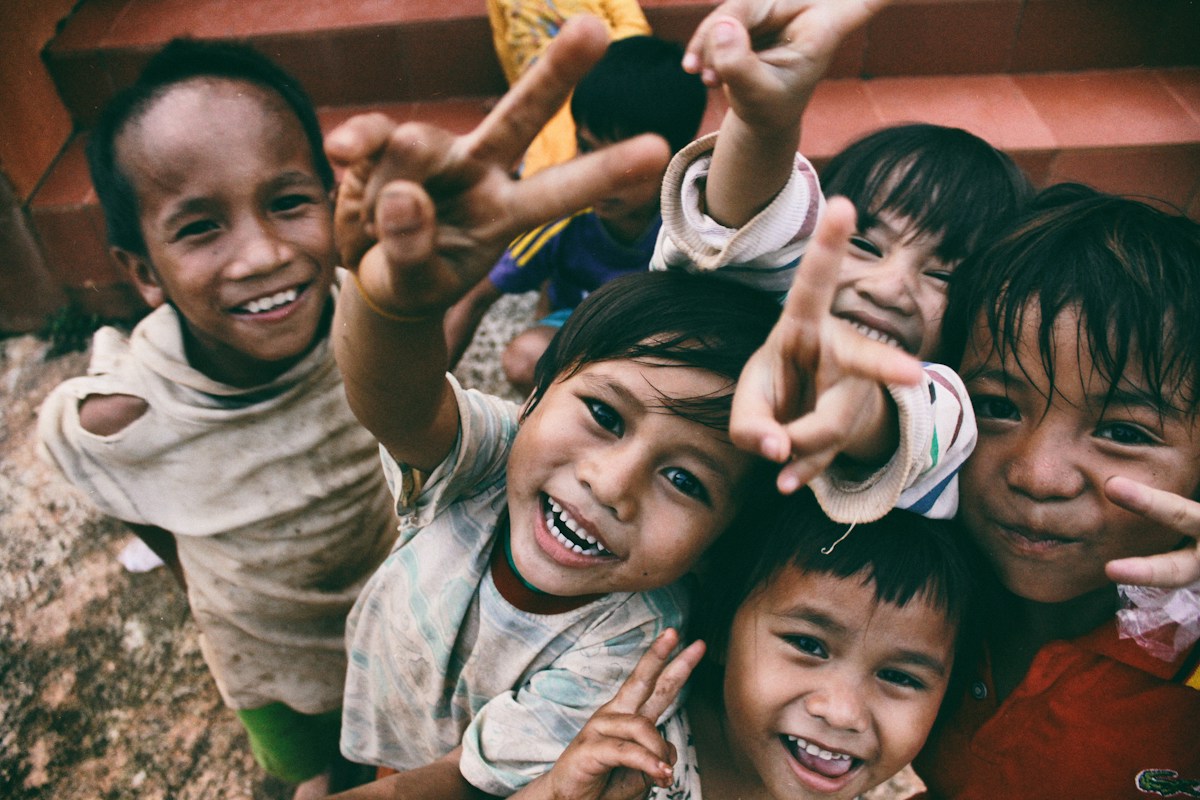
Children are born without hatred — we are the ones who teach it to them
We Are Planting Seeds of Caste Hatred in Our Children – And It Must Stop
📅 Published: March 04, 2026 | ⏱️ 6 min read | 📂 Category: Life Insights
📌 In This Blog
Children are born clean. They don't know caste, hatred, or revenge. But somewhere between home, school, and social media — we fill their minds with ideas that poison their future. And ours.
In this honest reflection, we'll explore:
- How caste hatred is slowly entering children's minds
- Why parents hold the biggest responsibility
- What happens when we stay silent
- How each of us can start making a difference — today
- The kind of values that can actually build a better society
Note: This is a personal reflection — honest, direct, and from the heart. Not to blame anyone, but to wake all of us up.
🌱 The Seeds We're Sowing — Are They the Right Ones?
Think about this for a moment: A child is born with no opinion about caste, religion, or community. They love whoever feeds them, plays with them, hugs them. They don't ask, "What caste are you?" before making a friend.
But somewhere along the way, something changes. By the time they're teenagers — or sometimes even younger — many children have already developed strong caste-based opinions. Where did those come from?
They came from us. From our homes. Our conversations. Our reactions. Our silence when we should have spoken. Our anger when we should have shown calm.
🌟 Think About It: What is the last thing your child heard you say about another caste or community? Was it something that builds bridges — or something that builds walls?
☠️ Caste Hatred in Young Minds: A Slow Poison
Today, across all age groups, a seed of caste-based hatred is being planted in the minds of children. It doesn't come all at once. It happens slowly — through small comments, casual jokes, WhatsApp forwards, and casual dinner-table conversations.
And if we don't remove this poison from their hearts and minds in time, it won't just hurt them. It will hurt the generations that come after them. That hurt will be our legacy — and it won't be a proud one.
Children who grow up learning to see the world through the lens of caste don't just carry bias — they carry wounds. And wounded people wound others.
What This Looks Like in Real Life
- Casual remarks at home: "Don't be friends with that family, they are from that community." A child hears this and stores it silently.
- Revenge mentality: "They wronged us, so we must never forgive them." A child learns that score-settling matters more than peace.
- Identity labels first: Teaching children to identify themselves by caste before anything else — before talent, character, or kindness.
- Cheering political hate: Sharing content that glorifies caste-based conflict and calling it "awareness."
None of these feel dramatic in the moment. That's exactly what makes them dangerous.
👨👩👧 The Biggest Responsibility: Parents
Of all the places where change can begin, the home is the most powerful. And that makes parents the most powerful agents of change.
If a child grows up hearing "blood must be repaid with blood" — if revenge is the lesson being taught at the dinner table — then how will that child ever learn the language of love and peace?
You cannot plant thorns and expect roses to bloom.
Children don't just listen to what we say. They watch what we do. They feel what we feel. When we speak with hatred in our voice, they absorb that hatred — even if we never intended to teach it.
💡 A Simple Truth: Your child's mind is like wet cement right now. Whatever impressions you leave today will harden into who they become. Choose those impressions wisely.
What Parents Can Teach Instead
- ✅ Humanity first: Before caste, religion, or language — teach them to see the human being in front of them.
- ✅ Tolerance: That different people have different ways of living, and that's okay.
- ✅ Good intentions (नीयत): Judge actions and intent, not birth and background.
- ✅ Forgiveness over revenge: That peace feels better in the long run than a cycle of bitterness.
⏳ Time Is Passing — And So Are We
History has always had great men and women who stood up, spoke out, and changed things. Some are remembered forever. Many have come and gone without anyone even noticing.
We too will pass. Our time here is limited.
But the question we must ask ourselves is: What are we leaving behind?
If we stay silent today, if we do nothing today, the generations that come after us will not remember us kindly. They will inherit the mess we were too comfortable to clean up.
We don't have to be a great reformer. We don't have to give speeches or write books. But we do have to do something — even if small — in our own little corner of the world.
🔇 Silence Is Not Innocence
Some of us think: "It's not my problem. I'll just stay out of it."
But here's the truth — looking away doesn't make the problem disappear. It just lets it grow.
If you can't bring change — at least raise your voice.
If you can't raise your voice — at least show some wisdom.
If you can't do that — at least don't add to the fire.
Choosing silence when someone makes a casteist remark is a choice. Laughing at a hate-filled joke is a choice. Sharing that WhatsApp forward without thinking is a choice. And all these choices have consequences — on our children, our communities, and our future.
The Comfortable Lie We Tell Ourselves
"I didn't say anything wrong." But did you stop something wrong from being said in front of your child? Silence in the face of hatred isn't neutrality — it's permission.
→ Instead: One calm, firm response can teach your child more than a hundred lectures. "We don't talk about people that way in this house."
🏠 Start From Your Own Home
Society is not some distant, abstract thing. Society is our homes, put together.
We can't change a politician's speech. We can't control what a news anchor says. But we can control what our children hear at our dining table. We can control what stories we tell them at bedtime. We can control whether we speak of other communities with scorn or with respect.
That is where the real work begins. Not in parliament. Not on Twitter. In your home. With your child. Today.
| What We're Passing Down (Without Realizing) | What We Should Pass Down Instead |
|---|---|
| Caste-based suspicion and distrust | Curiosity and openness about all people |
| Revenge and score-settling | Forgiveness and moving forward |
| "We are better than them" | "Every person deserves dignity" |
| Identity defined by caste | Identity defined by character and kindness |
| Silence when we should speak | Calm courage to say "this isn't right" |
💊 The "Sanjeevani" Our Children Need
In Indian mythology, Sanjeevani is the magical herb that brings someone back to life. Our children don't need that kind of magic. But they do need something equally powerful — the right values, planted early and watered with love.
The "Sanjeevani" for a child's mind is simple:
- 🌸 Humanity (Insaniyat): Teach them that every person they meet — regardless of caste, religion, or background — is a human being with feelings, struggles, and dreams.
- 🕊️ Tolerance (Sahishnuta): That the world has many kinds of people, and diversity is not a threat — it's a gift.
- 💛 Good intention (Nek Niyat): To always approach others with good faith, not suspicion.
- 🤝 Brotherhood (Bhaichara): That the person next to them — no matter what their background — could be their best friend, their partner in life, their strength.
This is the inheritance worth leaving. Not property. Not grudges. Not old scores. Values.
🌟 The Society We Can Still Build
It may feel like too much has already gone wrong. Too much hatred, too much division. Too many WhatsApp groups, too many political speeches designed to drive us apart.
But I genuinely believe that change is possible. Not because of some great leader or big government scheme — but because of ordinary parents, ordinary teachers, ordinary people choosing, every day, to do the small right thing.
A better society is built on the values inside today's children. That's not a slogan. That's the deepest truth there is.
One home at a time. One conversation at a time. One child at a time.
It starts with us. It starts now.
🎯 Key Takeaways
- 💫 Caste hatred is being passed to children — slowly and silently through everyday words and actions
- 🌱 Parents hold the biggest power — the home is where values are truly formed
- ❤️ Silence is not neutral — not speaking up is itself a choice with consequences
- 🎯 You don't need to be a reformer — just start in your own home, with your own child
- ✨ A better society begins with better values in our children — humanity, tolerance, and good intention
💬 Let's Talk
This is one person's honest reflection. I might be wrong about some things. I'm still learning too.
I want to hear from you:
- Have you ever caught yourself passing on a bias to your child without realizing it?
- What values do you consciously try to build in your children?
- What do you think is the biggest obstacle to raising caste-free generations?
- Where do you agree — or disagree — with what I've written?
Comment below. Every voice matters. Every honest conversation is a small step forward. 💙
Ground rules for discussion:
- Speak from your experience, not from anger
- Attack ideas, not people
- Assume everyone here wants a better India
- Listen as much as you speak
📢 Pass This On
The best time to plant a good seed is today. Share this if you believe in:
- ✅ Teaching humanity before caste
- ✅ Taking responsibility as parents and citizens
- ✅ Breaking cycles of hatred — starting from our own homes
- ✅ Building a future our children will be proud of

About the Author
Prafull Ranjan
Content Creator & Observer of Everyday Life
I write practical stories and simple guides about life, technology, and social issues – that everyone can understand.
Tags:
Published on PrafullTalks | Home | All Life Insights | Tech Simplified
Did you find this post helpful?
Never miss a post!
Get fresh insights delivered to your inbox.
OR
No spam. Unsubscribe anytime.


0 Comments
We’d love to hear your thoughts. Feel free to comment below!